Altherum
The Evolution of Luxury Watches: A Conversation with Tony Parise (@ueanimale), Founder of Elysium
Elysium founder Tony Parise joins Alberto Chiesa to discuss the evolution of the luxury watch market, the most sought-after models in 2026, emerging opportunities for collectors, and the trends shaping watches as an alternative investment asset.
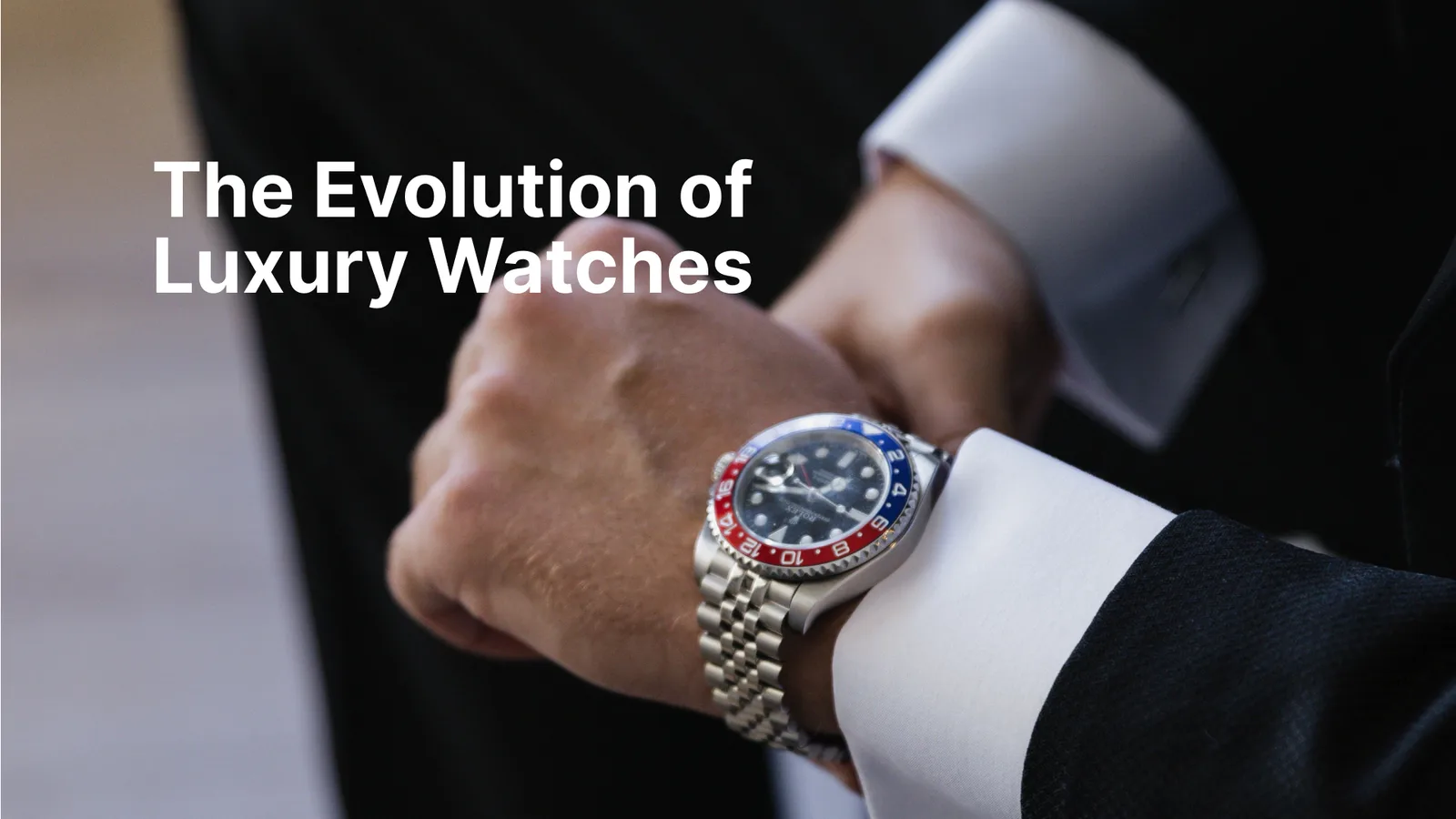
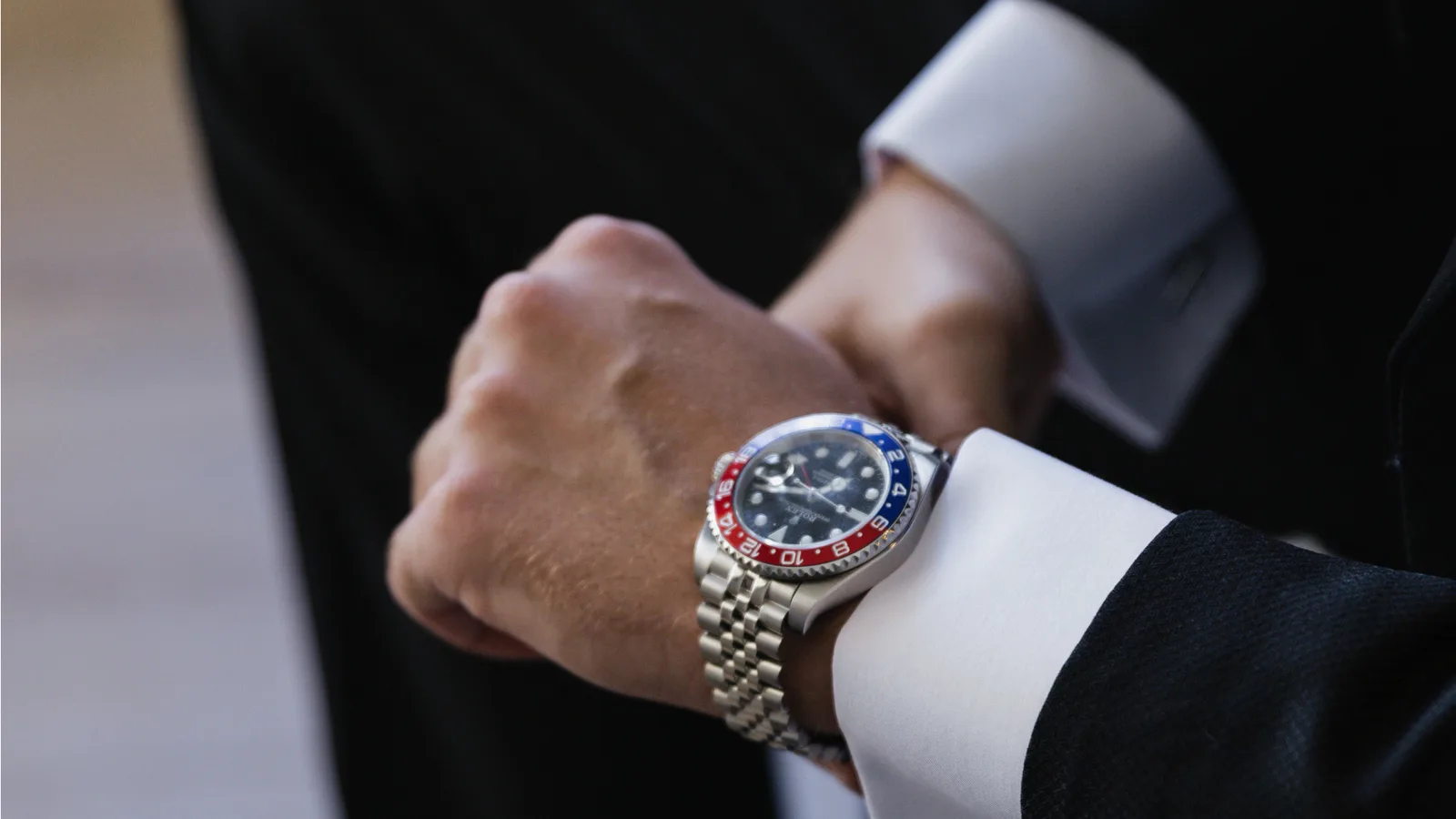
The luxury watch market has undergone a remarkable transformation over the last decade, what was once a niche secondary market has become a global ecosystem driven by collectors and investors alike.
As part of our interview series exploring alternative assets and collectible markets, we sat down with Tony Parise (@ueanimale), founder of Elysium, one of Italy's leading luxury watch specialists, to discuss the evolution of the pre-owned watch market and the models currently attracting the most attention from collectors.
From Reselling to a Market of Its Own
Founded in 2020, Elysium specializes in the buying and selling of luxury timepieces. According to Tony, the industry has changed dramatically since 2016.
"Ten years ago, watches simply weren't trading above retail prices. The concept of buying a watch from an authorized dealer and immediately reselling it for a profit was largely limited to a few exceptional references, such as the Rolex Daytona."
That changed as demand for luxury watches surged while production remained relatively stable. As waiting lists grew and availability shrank, highly sought-after models began commanding premiums on the secondary market.
The Rise of the Secondary Watch Market
By 2018, the market had reached a turning point. Models that were once available with discounts—including Rolex Submariners and various Patek Philippe references—began selling above retail value. New collectors entered the market from emerging economies, further accelerating demand.
The trend intensified during the COVID-19 pandemic. Like many collectible asset classes—from sneakers to NFTs—the watch market experienced a period of exceptional growth between 2020 and 2022.
"There was a real boom during the pandemic. The market reached extraordinary heights before correcting, but luxury watch collecting emerged stronger and more established than ever."
Today, Tony describes the market as stable rather than speculative.
"We're no longer seeing the extreme conditions of the boom years. The market is neither climbing aggressively nor falling significantly. It's a healthy, mature environment."
The Five Watches Collectors Are Watching
Drawing from his extensive experience in the market, Tony shared the five models that he believes are attracting the most interest today.
5. Cartier Santos
Once considered something of a niche choice, the Cartier Santos has become highly desirable among modern collectors.
"Today, owning a Santos is almost a milestone purchase. Demand has increased significantly, and it has become one of the most sought-after luxury watches in its segment."
4. Jaeger-LeCoultre Reverso
The iconic Reverso is enjoying renewed popularity, particularly among younger buyers.
"For years it was associated with a more mature collector. Now we're seeing growing interest from younger enthusiasts who appreciate its design and heritage."
Its resurgence reflects a broader shift toward classic and vintage-inspired styles across fashion and collecting.
3. Panerai Luminor
Known for its bold dimensions and unmistakable design, the Panerai Luminor is another model experiencing renewed momentum.
"It's not a watch for every wrist, but it has a devoted following and demand has been steadily increasing."
2. Rolex GMT-Master II "Pepsi"
One of the most recognizable sports watches ever produced, the Rolex GMT-Master II "Pepsi" remains a collector favorite. The recent discontinuation of the reference 126710BLRO has only strengthened its appeal.
"Whenever Rolex discontinues a model, it immediately takes on a different status. It's no longer just a watch—it's a collectible."
1. Patek Philippe Nautilus 5711
At the top of Tony's list sits a modern icon: the Patek Philippe Nautilus 5711. According to Tony, some examples have appreciated by nearly 20% over the past several months alone.
"A collector who purchased a 5711 last year has done very well. Some early steel examples that traded around €70,000–€75,000 are now approaching or exceeding six figures."
For many collectors, the 5711 continues to represent the pinnacle of modern luxury watch collecting.
Will Collectors Ever Move On from Rolex?
One of the most interesting questions facing the industry is whether Rolex can maintain its dominant position indefinitely.
Tony remains convinced that the brand's foundation is exceptionally strong.
"When you look at Rolex's history, its ambassadors, its global recognition, and its heritage, it's difficult to find another luxury brand with comparable commercial strength."
Comparing Rolex to Ferrari, he argues that the brand has transcended individual products to become a cultural icon in its own right. While no market is entirely predictable, he believes Rolex's position remains remarkably secure.
An Emerging Name to Watch
When asked about lesser-known brands with significant potential, Tony highlighted Gerald Charles.
"It's a brand that has been quietly building momentum. More and more enthusiasts are starting to pay attention, and it's one I'd definitely keep an eye on."
For collectors seeking opportunities before they enter the mainstream spotlight, emerging brands like Gerald Charles often present some of the most interesting possibilities.
Watches and Personal Value
To close the conversation, Tony shared the timepiece that holds the greatest personal significance for him.
Without hesitation, he chose his first Rolex: a Rolex GMT-Master reference 16713, the steel-and-gold model originally designed for airline pilots.
"The GMT was created for pilots who spent their lives travelling around the world. They could keep track of home time no matter where they were."
More importantly, it represents a milestone in his own journey.
"It was my first Rolex, earned through a lot of hard work. If I could keep only one watch, that would be the one."
And perhaps that captures the enduring appeal of luxury watches better than any investment thesis: while some pieces appreciate in value, the most meaningful ones often tell a personal story beyond price.