Altherum
Altherum Tokenization: What Our Monte Carlo Launch Reveals About the Future of Real Asset Investing
On June 13, 2026, we hosted a private launch event aboard a yacht in Monte Carlo, Monaco, bringing together investors, family offices, and wealth management professionals for the unveiling of Altherum Tokenization, our platform dedicated to blockchain-based investment in real and alternative assets.
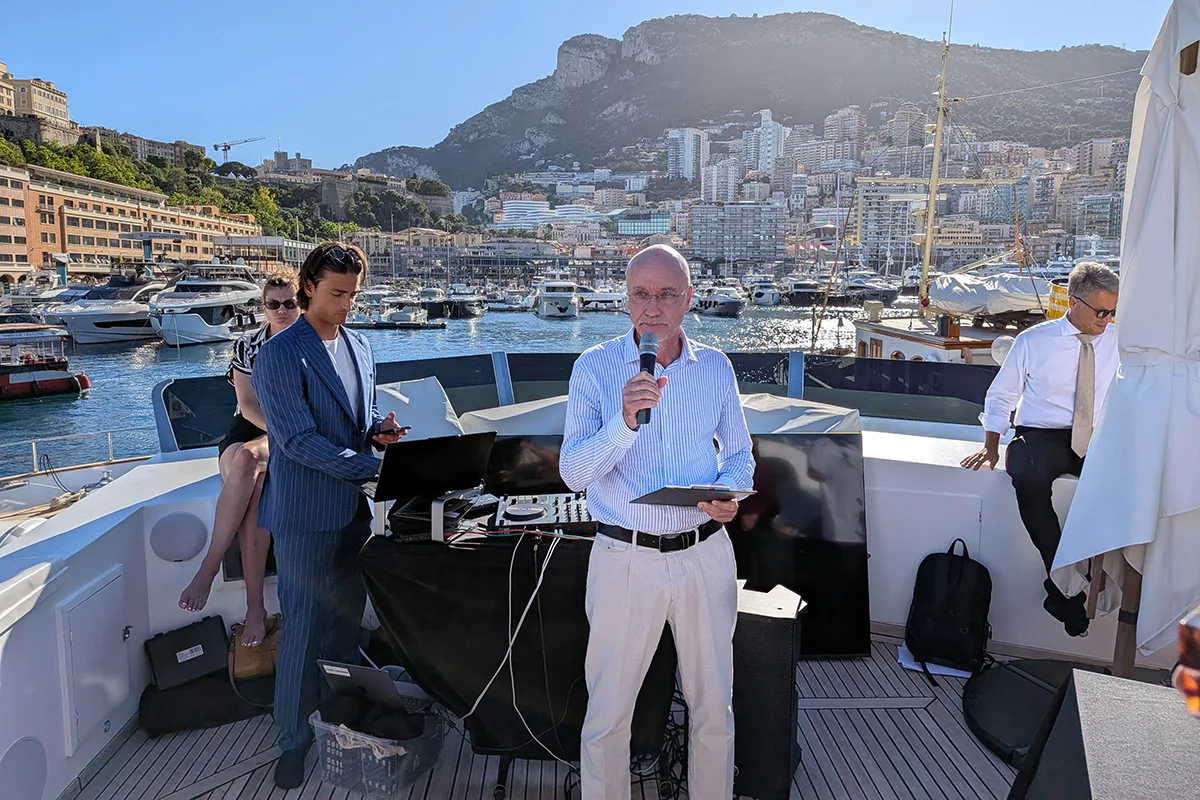
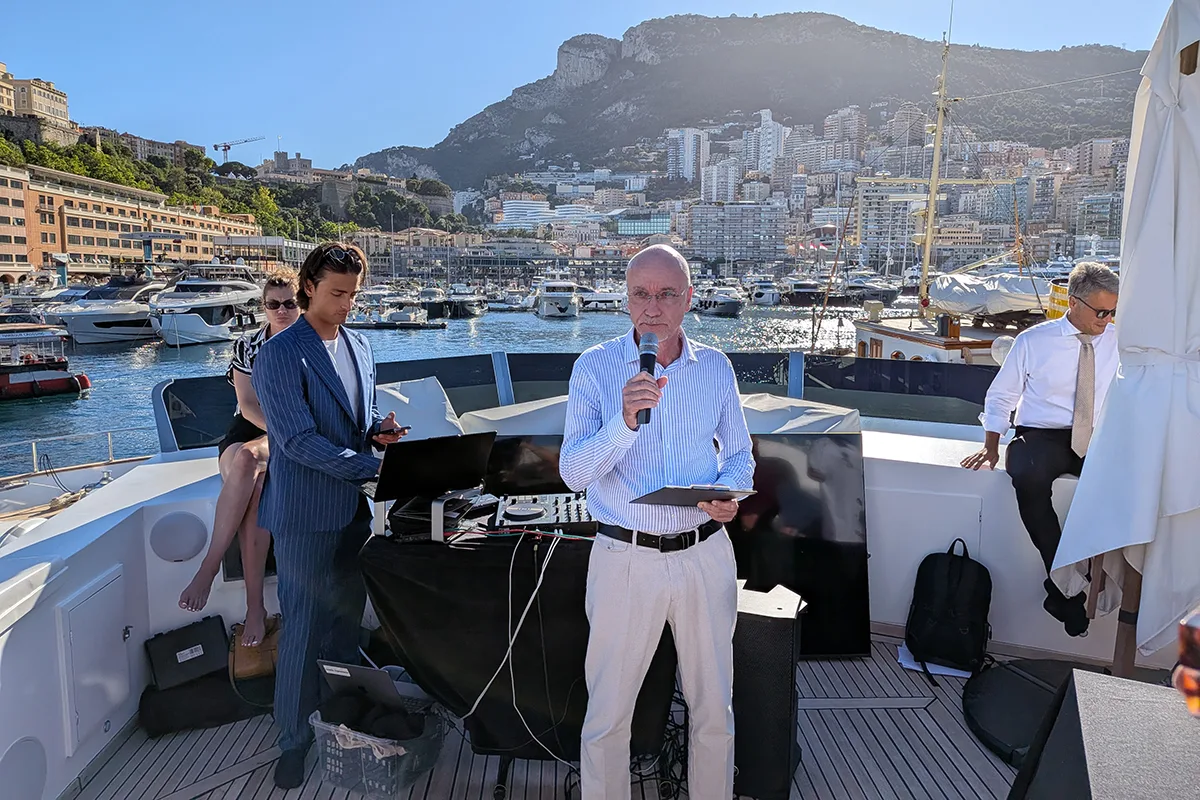
On June 13, 2026, we hosted a private launch event aboard a yacht in Monte Carlo, Monaco, bringing together investors, family offices, and wealth management professionals for the unveiling of Altherum Tokenization, our platform dedicated to blockchain-based investment in real and alternative assets.
The event was intentionally structured not as a product demonstration, but as a live market environment: a tokenized private auction for fractional ownership of curated assets.
The launch received dedicated media coverage, including a segment broadcast by Milano Finanza's Class CNBC, highlighting the platform’s positioning at the intersection of blockchain and alternative investments.
How We Reframe Tokenization: From Technology to Market Infrastructure
We do not position Altherum as a technology product. It is an extension of our approach to structured finance and real asset investment. Tokenization, in this context, is about redesigning distribution. Altherum enables fractional or full ownership of real assets, supported by on-chain records for transparency and transferability. Assets are verified and held within institutional custody frameworks before being tokenized.
As we noted during the event, “blockchain is not the asset, but the infrastructure that allows trust, traceability, and distribution to scale.”
The Persistent Barrier in Alternative Assets: Access, Not Demand
The event underscored a structural inefficiency in private markets: demand for alternative assets—such as art, collectibles, and gemstones—has consistently exceeded the ability of investors to access them. This imbalance is not driven by lack of interest, but by the limitations of traditional ownership models, which typically involve high entry thresholds, fragmented pricing dynamics, and limited visibility on liquidity and exit options.
With Altherum, we address these constraints at the structural level. By introducing fractional ownership and standardized, traceable records, we expand access while preserving the integrity, verification, and provenance that define these asset classes. The result is a model where access becomes scalable without compromising the quality or nature of the underlying assets.
Why Institutional Alignment Defines the Next Phase of Tokenization
The key differentiator is not fractionalization. It is institutional alignment.
With Altherum, we embed:
Verified provenance
Secure custody
Structured onboarding
Clear legal frameworks
These are prerequisites for tokenization to scale.
From Event to Execution: Tokenized Auctions as a Distribution Model
The live auction format we introduced during the event is central to how we see tokenization evolving. It positions tokenization not only as a representation layer, but as a primary distribution channel for alternative assets.
During the event, we demonstrated three ownership pathways:
single-buyer acquisition through traditional auction dynamics
fully subscribed fractional ownership during the event
continued subscription through the platform post-event
Each pathway leads to the same outcome: ownership structured and managed through tokenized infrastructure.
The Future of Alternative Investments: From Exclusivity to Engineered Access
This event marks a clear execution milestone. What we presented is already reshaping how alternative assets are accessed and distributed. Moving from exclusive, static ownership models toward structured, programmable participation supported by institutional-grade infrastructure. Altherum reflects our broader approach: transforming complex, illiquid assets into accessible investment opportunities without compromising quality, or control. The model is in place, and the transition is underway—we invite investors and partners to engage with us as we move toward the official launch of the Altherum Tokenization platform.