MIIF 2026: Family Office Investing and the Power of Long‑Term Capital Across Generations
Insights from MIIF Monaco 2026 on family office investing, long‑term capital, direct investments, and strategies for multigenerational value creation.
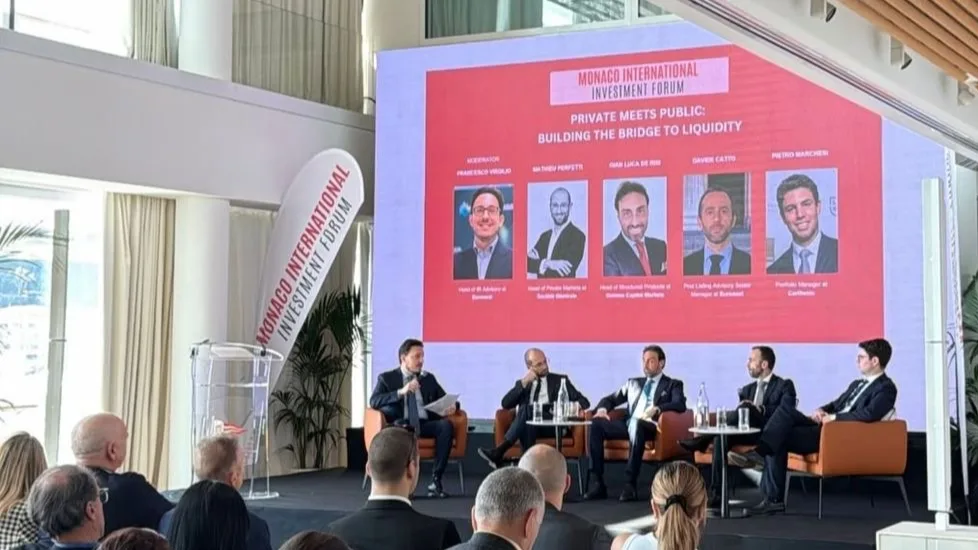
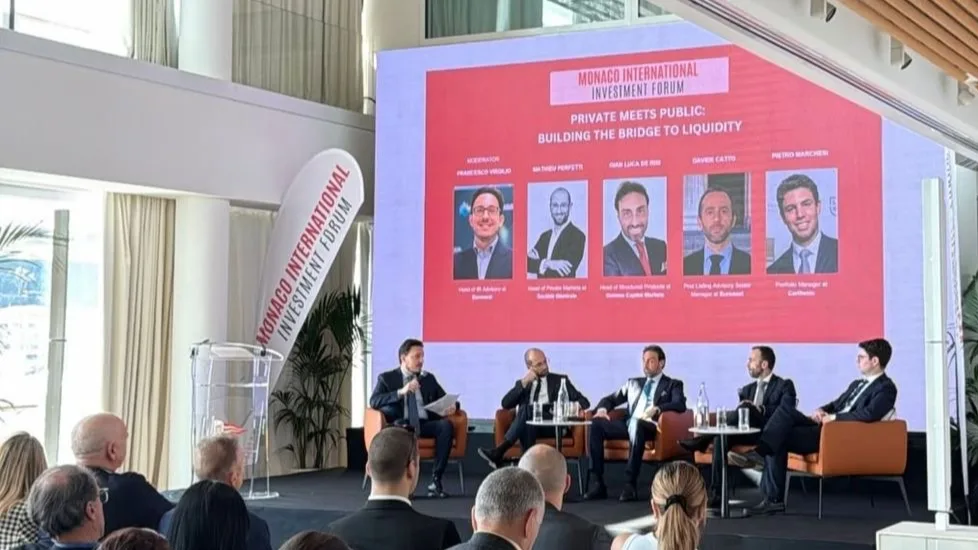
Attending MIIF (Monaco International Investment Forum) 2026 with CGPH offered a valuable opportunity to engage with a wide range of institutional investors, family offices, and industry peers. Beyond the quality of discussions and connections established, the conference underscored a structural shift underway in global capital allocation—one increasingly shaped by patient, long‑term investors.
A particularly insightful session, “Family Office Investing: Creating Value Across Generations,” highlighted how family offices are redefining investment decision‑making. Unlike traditional institutional allocators, which often operate under benchmark constraints, liquidity requirements, and shorter performance cycles, family offices benefit from flexible governance structures and the ability to deploy capital with a multi‑decade perspective. This long‑term orientation is proving to be a durable competitive advantage in a volatile and short‑term‑driven financial environment.
The discussions at MIIF reinforced that family office investing today is not solely about financial returns. Instead, it reflects a broader approach to value creation—one that integrates time arbitrage, private market exposure, direct investing capabilities, and intergenerational alignment to build resilient portfolios designed to endure across cycles.
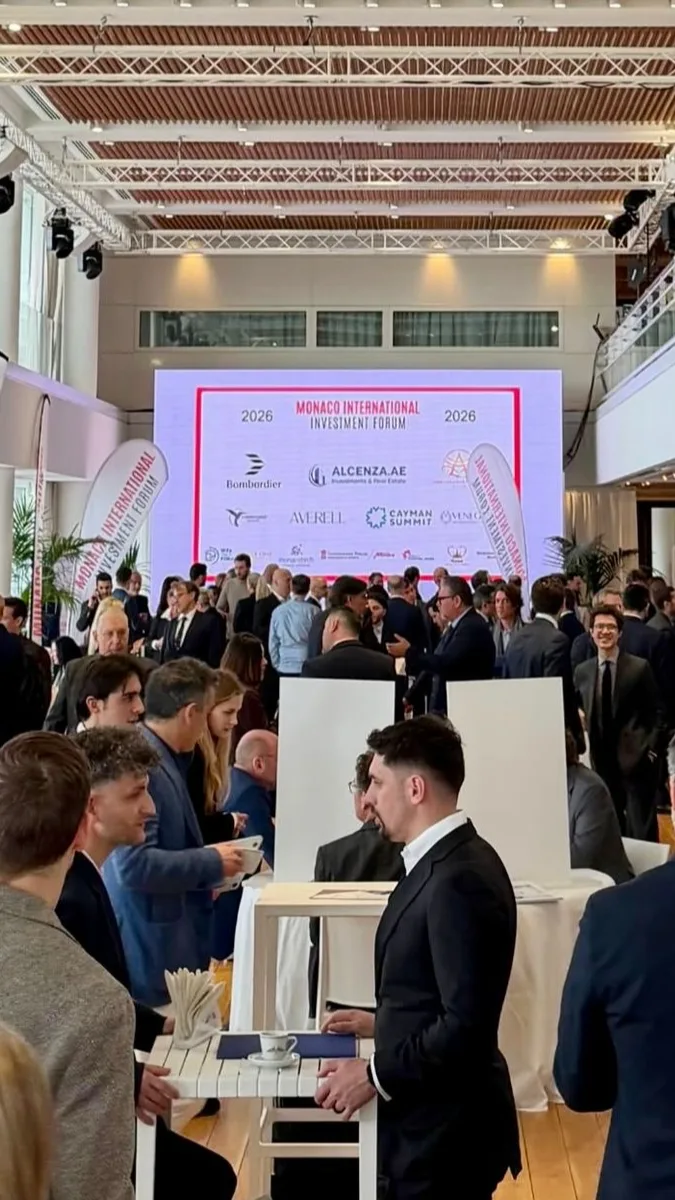
Family Office Investing vs Traditional Asset Management: A Distinct Long‑Term Investment Model
Among them, the session on “Family Office Investing: Creating Value Across Generations” stood out for both its strategic depth and practical relevance.
Family offices operate under a fundamentally different investment paradigm compared to traditional institutional allocators. While conventional asset managers are often constrained by benchmark-relative performance, liquidity requirements, and shorter investment horizons, family offices are uniquely positioned to pursue long-duration strategies aligned with intergenerational wealth preservation and compounding.
Time Arbitrage in Family Office Portfolios: Unlocking Long‑Term Value in Private Markets
A central theme that emerged from the panel was the importance of time arbitrage. In an environment increasingly dominated by short-termism and quarterly performance pressures, family offices can exploit inefficiencies by allocating capital to assets or strategies where value realization requires patience. This includes private markets, direct investments, and thematic exposures such as energy transition, technology infrastructure, and healthcare innovation.
Governance, Legacy, and Intergenerational Alignment in Family Office Investment Strategies
Equally critical is the concept of alignment across generations. Investment strategies are no longer solely about financial return optimization, but also about embedding values, governance frameworks, and legacy considerations into portfolio construction. This often translates into a more holistic approach to risk, where downside protection, resilience, and sustainability are weighted alongside return metrics.
The Rise of Direct Investing by Family Offices: Co‑Investments and Proprietary Deals
The panel also highlighted the growing sophistication of family offices in terms of direct investing capabilities. Increasingly, they are moving beyond fund allocations to co-investments and fully proprietary deals, leveraging their flexibility, speed of execution, and ability to take concentrated positions. This shift requires not only enhanced internal expertise but also a robust network of partners, advisors, and operating platforms.
Family Office Portfolio Construction Strategies: The Barbell Approach to Risk and Return
From a capital allocation standpoint, portfolio construction is evolving towards barbell strategies: combining highly liquid, defensive assets with high-conviction, illiquid investments capable of generating outsized returns over extended horizons. This reflects a deliberate effort to balance capital preservation with long-term growth.
Why Long‑Term Vision Is a Structural Advantage for Family Offices
What was particularly evident is that long-term vision is not simply a preference, but a structural advantage. The ability to underwrite investments with a multi-decade perspective enables family offices to navigate volatility, capitalize on dislocations, and maintain strategic consistency through cycles.
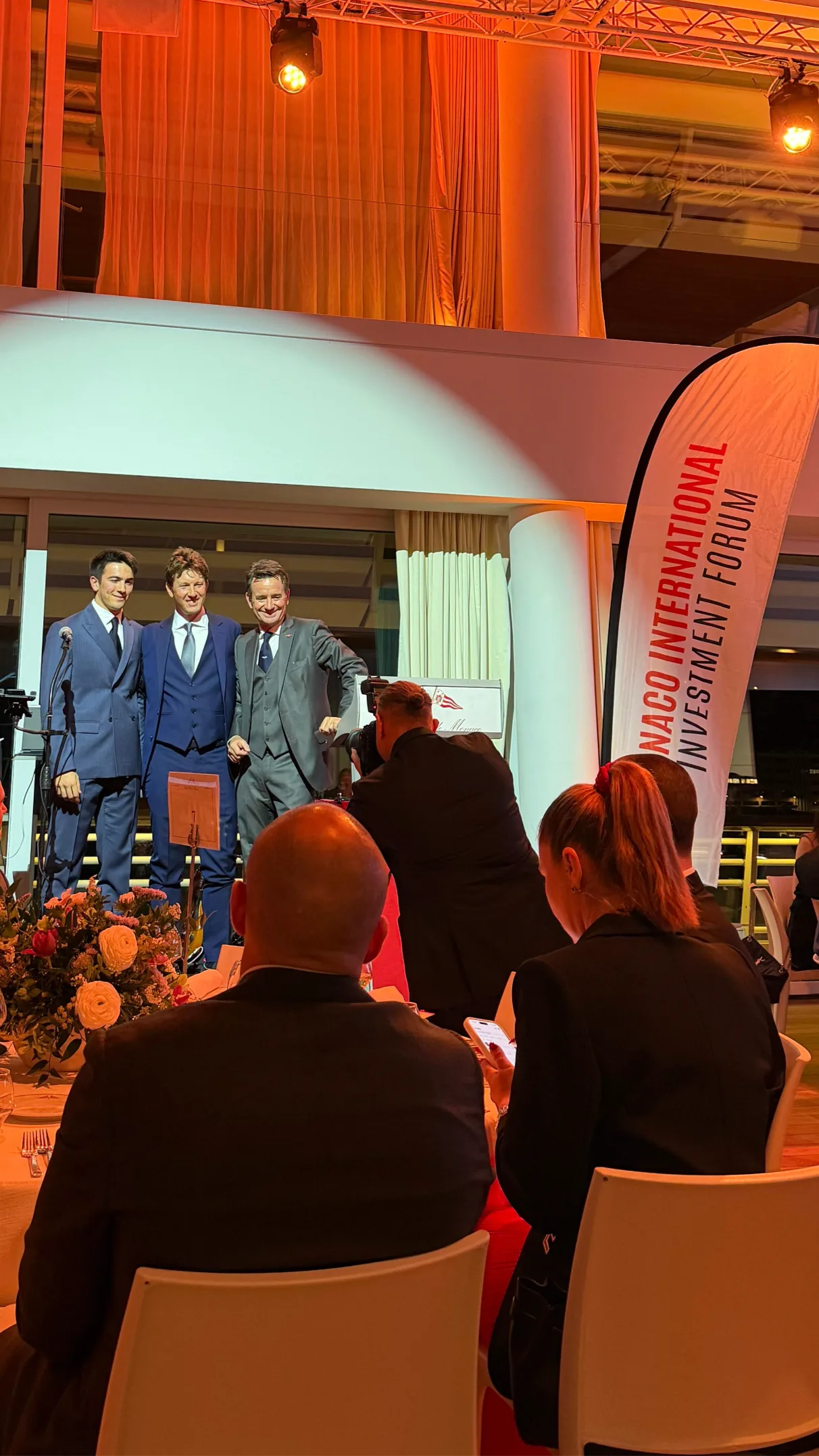
CGPH Insights: Advising Family Offices on Long‑Term Capital and Deal Structuring
From CGPH’s perspective, these dynamics are increasingly relevant when structuring and advising on transactions involving long-term capital providers. Understanding the objectives, constraints, and decision-making frameworks of family offices is essential to aligning deal structures with their investment philosophy.
Conclusion: Patient Capital and Strategic Discipline as Drivers of Multigenerational Value
Overall, MIIF reinforced the idea that in a rapidly changing financial landscape, patient capital, when combined with disciplined execution and strategic clarity, remains one of the most powerful drivers of sustainable value creation.
This content was migrated from the previous Wix site and preserves its original URL.