Investment Strategy
Investing in Whisky: The Factors That Matter Most
Over the past decade, fine whisky has moved from niche collectible to recognized alternative asset, attracting both private collectors and institutional attention. According to the Knight Frank Luxury Investment Index, rare whisky values rose by approximately 428% over a 10-year period, outperforming many traditional luxury assets (According to WhiskyTrades).
Over the past decade, fine whisky has moved from niche collectible to recognized alternative asset, attracting both private collectors and institutional attention. According to the Knight Frank Luxury Investment Index, rare whisky values rose by approximately 428% over a 10-year period, outperforming many traditional luxury assets (According to WhiskyTrades).
Yet, beyond headline performance, consistent results in whisky investing are driven by a defined set of fundamentals. Understanding these factors is essential for separating long-term value from short-term speculation.
Scarcity: The Primary Driver of Value
Scarcity remains the most powerful force in whisky valuation. Supply is inherently limited—not only because of aging timelines, but because many of the most valuable bottles originate from closed or low-capacity distilleries.
When a distillery closes, production stops permanently. No new inventory can ever enter the market. Even among active producers, smaller operations often lack the capacity to scale output in line with growing global demand.
This structural imbalance—finite supply against expanding demand—is what underpins long-term appreciation in the category.
Distillery Prestige: The Strength of Proven Names
Not all scarcity translates into value. Brand reputation plays a decisive role.
Certain distilleries have established themselves as blue-chip names, supported by decades of consistent demand, strong auction performance, and global recognition. These producers benefit from a level of market confidence that speculative or lesser-known releases cannot replicate.
In this context, a standard expression from a top-tier distillery often carries more investment weight than a limited release from an unproven name.
The Cask and the Oak: Where Quality is Defined
A significant portion of a whisky’s character—and consequently its desirability—comes from the cask in which it matures. The type of oak used directly impacts both flavor profile and collector demand.
American oak (ex-bourbon casks): Typically produces sweeter profiles, with notes of vanilla, caramel, and coconut
European oak (sherry casks): Known for richer, deeper characteristics such as dried fruit, spice, and tannin—widely favored by collectors
Japanese Mizunara oak: Rare and technically challenging, offering unique aromatic notes such as sandalwood and incense, often associated with high-value releases
First-fill casks, which provide the most pronounced influence on the spirit, tend to command the strongest market interest.
Age: Understanding What It Really Means
Age is one of the most visible indicators in whisky, but also one of the most misunderstood.
A critical principle: whisky only matures in the cask. Once bottled, the aging process stops completely. A 30-year-old whisky will remain a 30-year-old indefinitely, regardless of how long it is stored.
While older expressions often carry premium pricing, age alone does not determine value. It must be considered alongside cask quality, distillery reputation, and scarcity.
Provenance: The Hidden Risk Factor
Provenance—covering authenticity, ownership history, storage conditions, and documentation—is one of the most critical yet overlooked aspects of whisky investing.
It is also where risk is most concentrated. As the market has grown, so too have issues related to fraud, misrepresentation, and improper storage. These factors can significantly impact both value and liquidity.
Unlike traditional financial assets, provenance in whisky is often fragmented and difficult to verify—creating friction for investors and limiting broader market participation.
Examples in Practice
Certain distilleries illustrate how these factors converge.
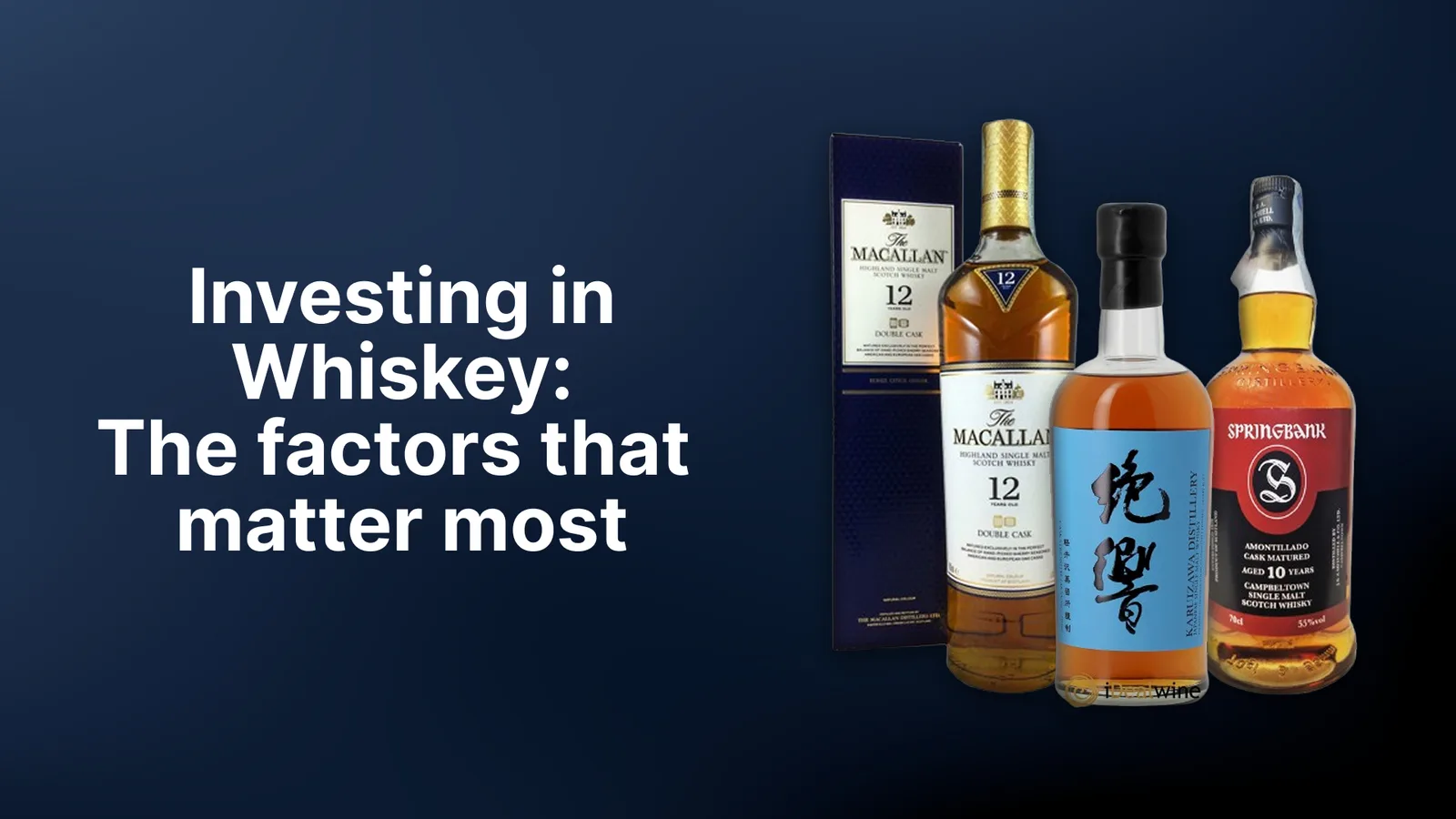
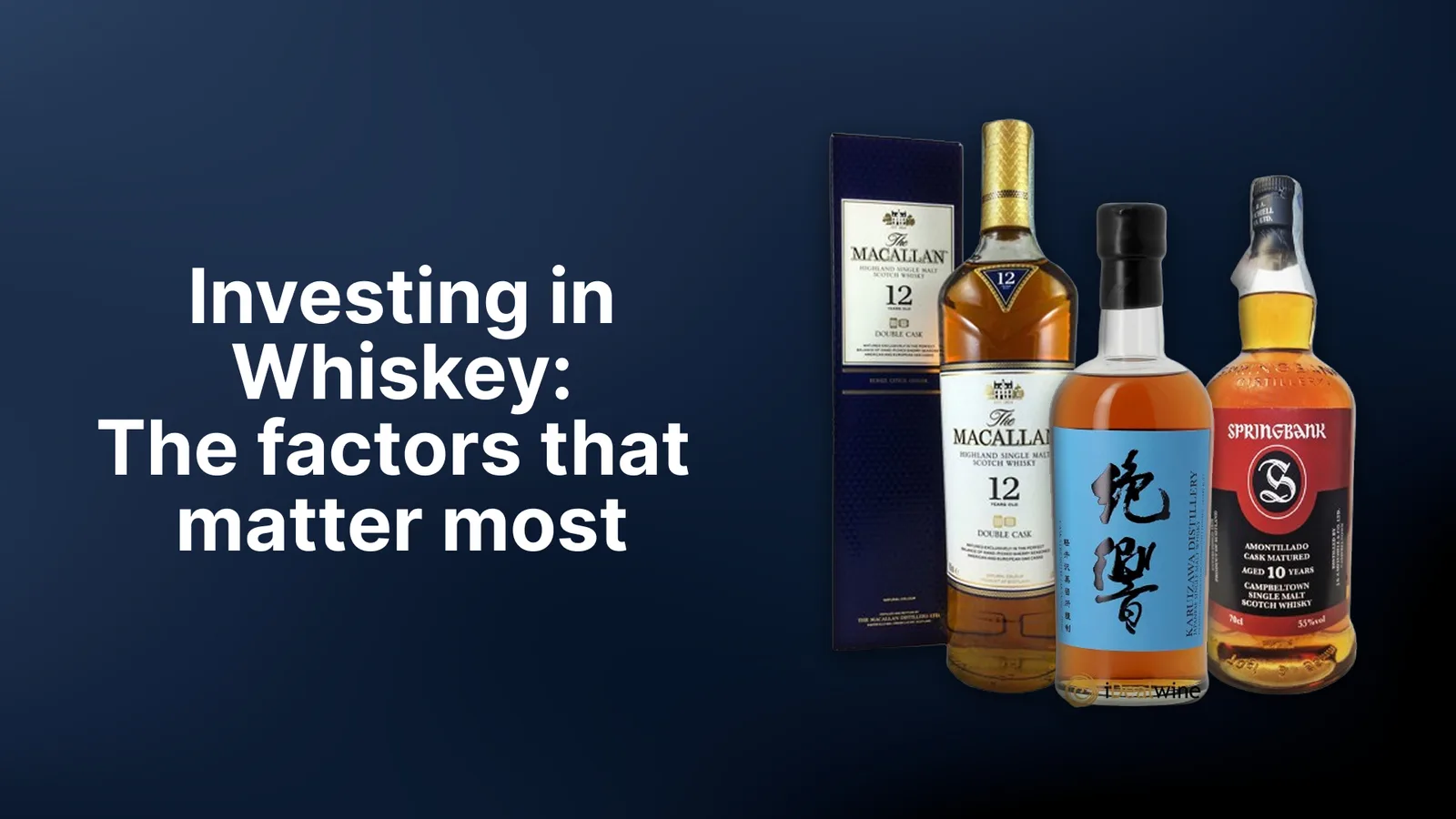
Karuizawa reflects pure scarcity. Its closure and historically limited production have made its remaining bottles highly sought-after, with demand driven by rarity and sherry cask maturation.
The Macallan represents the combination of prestige, cask strategy, and long-term market confidence, positioning it as a benchmark within the category.
Springbank demonstrates scarcity without closure—its limited production and strong reputation continue to drive sustained secondary market demand.
Conclusion: From Collectibles to Structured Investment
Whisky investing is not driven by rarity alone, but by the interplay of scarcity, prestige, cask quality, age, and—critically—provenance.
Among these, provenance remains the least standardized and most vulnerable element of the market. This is precisely where the next phase of evolution is taking shape.
Platforms like Altherum Tokenization introduce on-chain provenance, transparent ownership records, and institutional-grade structuring, addressing the core inefficiencies that have historically limited access to this asset class. By combining physical asset verification with blockchain infrastructure, whisky—and other alternative assets—can transition from fragmented collectibles to scalable, investable instruments.
As the market matures, the key question is no longer whether whisky belongs in a portfolio—but how it is accessed, verified, and managed.