Digital Assets
How Mastercard Is Rebuilding the Global Payments System With Stablecoins and Tokenisation
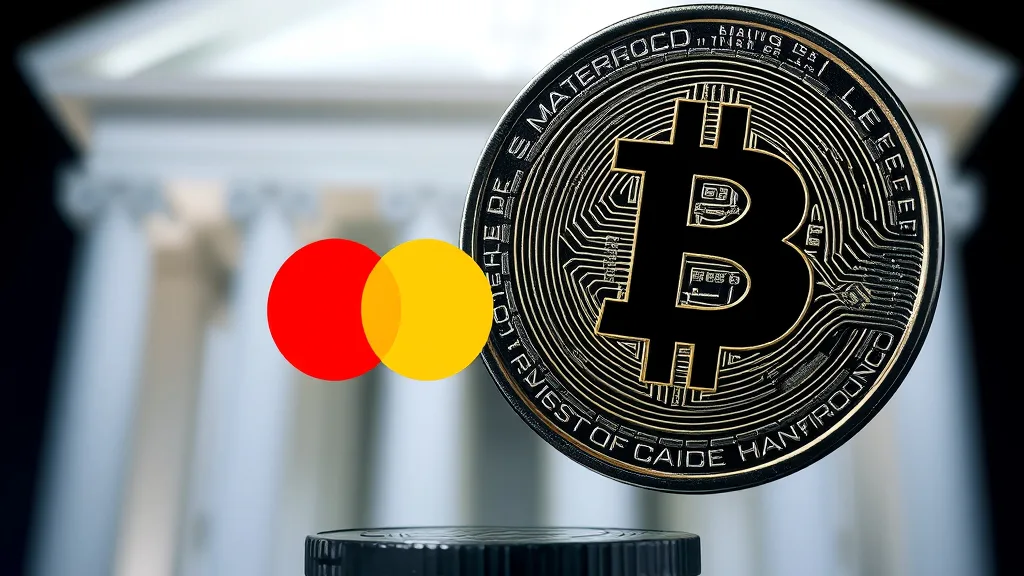
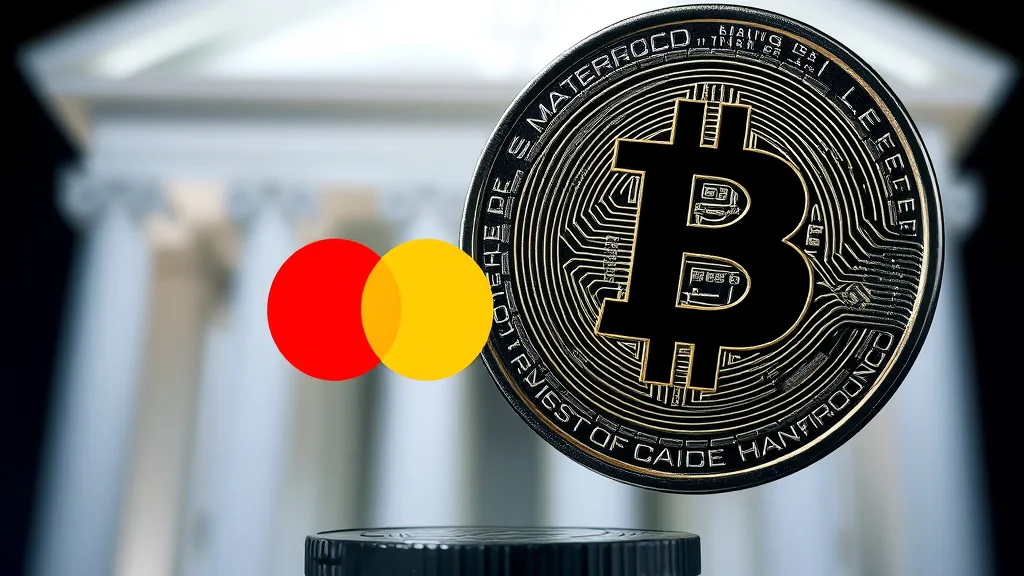
Mastercard’s $1.8B BVNK acquisition shows how stablecoins and tokenisation are becoming core payments infrastructure — reshaping how capital moves.
When you buy something online, your 16-digit card number travels through a chain of systems before the payment settles. Every link in that chain is a potential point of failure, a place where data can be stolen, a transaction can be delayed or a fee can be charged. Mastercard has decided that chain needs to be replaced entirely.
When you buy something online, your 16-digit card number travels through a chain of systems before the payment settles. Every link in that chain is a potential point of failure, a place where data can be stolen, a transaction can be delayed or a fee can be charged. Mastercard has decided that chain needs to be replaced entirely.
Why Card Numbers Are Being Replaced by Payment Tokens
The company has committed to tokenising 100% of European e-commerce by 2030. In plain terms card numbers will disappear from online transactions and in their place, each payment will generate a unique one-time code, valid for that transaction only. Even if intercepted, it is worthless. As of mid-2025, nearly half of all Mastercard online transactions in Europe were already processing this way. The 2030 deadline is ambitious but the trajectory suggests it is achievable.
That is the consumer-facing part of the story. The more consequential development happened this March with a $1.8 billion signal.
The $1.8 Billion BVNK Acquisition Signals Stablecoins Are Core Infrastructure
Mastercard announced a definitive agreement to acquire BVNK, a stablecoin infrastructure company, for up to $1.8 billion. For readers who don’t follow digital finance closely, a stablecoin is a digital currency pegged to a real-world asset, typically a dollar or a euro, so its value does not fluctuate. It runs on a blockchain, a shared ledger that records transactions permanently and transparently, and it can cross borders in seconds at minimal cost. BVNK built the pipes that allow businesses to send and receive these currencies across all major blockchain networks. Its platform operates in over 130 countries and connects traditional bank money with stablecoins.
This is the largest stablecoin acquisition ever recorded, surpassing Stripe’s $1.1 billion purchase of Bridge in early 2025. However, the amount matters less than what it signals: a company that processes billions of transactions every day has concluded that stablecoin infrastructure is not a speculative side project — it is core infrastructure.
Stablecoins Do Not Replace Cards — They Replace the Settlement Layer
The natural question that comes next is whether digital currencies undermine traditional payment networks. The answer, at least as Mastercard is positioning it, is no. The card in your wallet stays, the checkout experience stays. What changes is the settlement layer, the invisible back-end where money actually moves between institutions. Stablecoins are faster and cheaper there than legacy bank rails and Mastercard is absorbing rather than resisting them.
Mastercard already settles part of its European card transactions in stablecoins through a partnership with Circle and runs card programmes with crypto platforms including MetaMask, Bitget, MoonPay and Kraken. BVNK brings that capability fully in-house. The result is a payment network that can handle euros and digital euros interchangeably without the user noticing a difference.
Regulation Is Making Tokenised Payments Institutionally Viable in Europe
There is a regulatory dimension too. The ECB has been explicit about reducing the eurozone’s reliance on payment infrastructure controlled by non-EU entities — nearly two-thirds of card transactions in the euro area currently flow through non-European companies. A tokenised settlement layer built under European regulatory oversight addresses that concern directly. MiCA, the EU’s framework for digital assets, provides exactly the kind of legal clarity that makes institutional adoption possible.
Why Tokenisation Will Define the Next Generation of Capital Movement
A BCG study cited by Mastercard puts digital currency payment volumes at $350 billion in 2025, describing stablecoins as a major component of the next wave of innovation in money movement. That is a number that has moved from negligible to systemically significant in a very short time.
At CGPH we are building a tokenisation platform because we read the same trajectory. What Mastercard is doing with payment tokens is structurally identical to what is beginning to happen across the rest of finance: securities, real estate, credit instruments and private equity stakes are progressively being represented as digital tokens on regulated ledgers. The efficiency gains are real. The compliance frameworks are catching up. The institutions committing capital are no longer early adopters — they are actually mainstream.
The infrastructure decisions being made today will define how capital moves for the next generation. That is the context in which we are building.