Strategic Investments
Are Precious Stones Still a Relevant Alternative Investment?
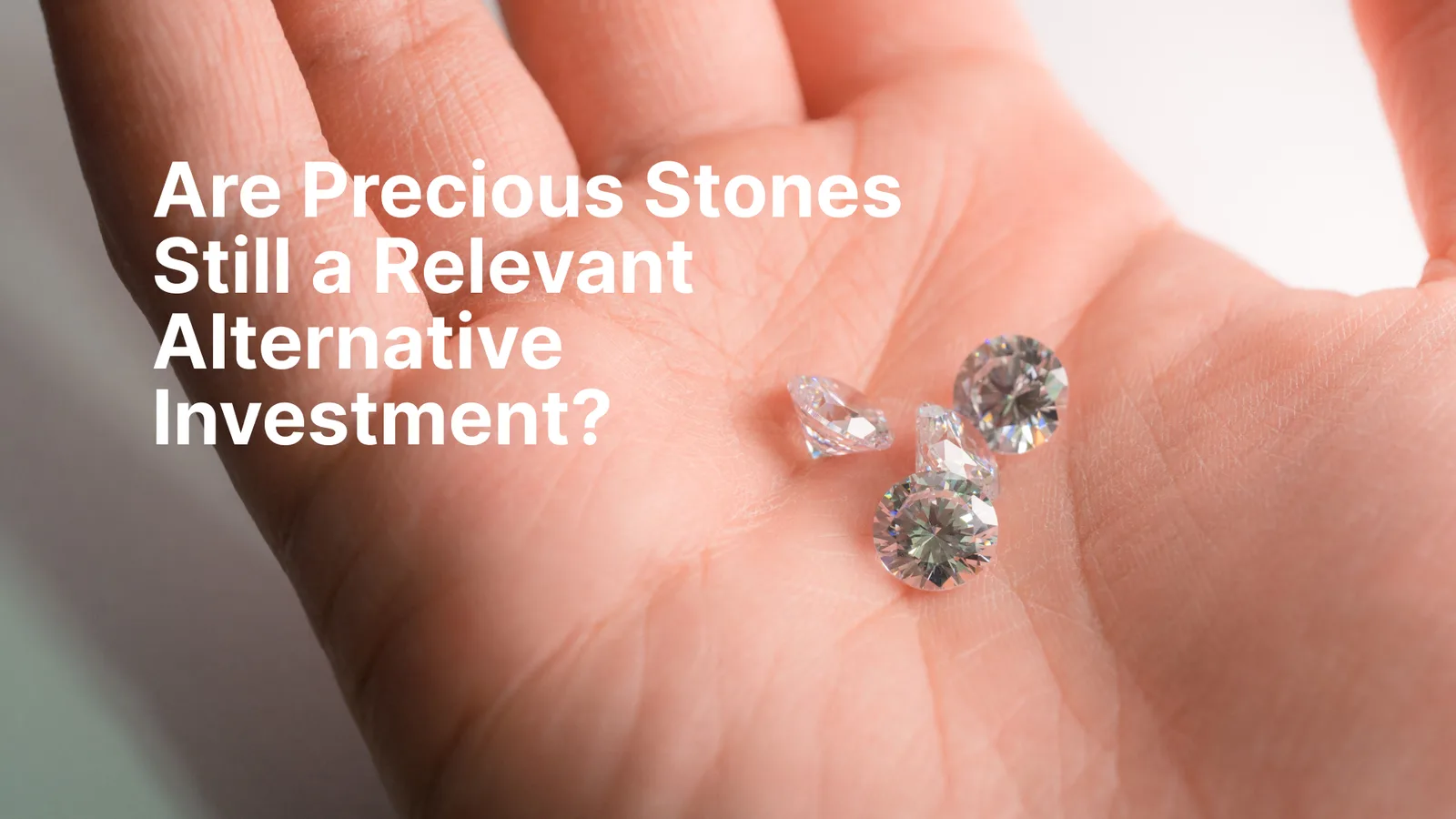
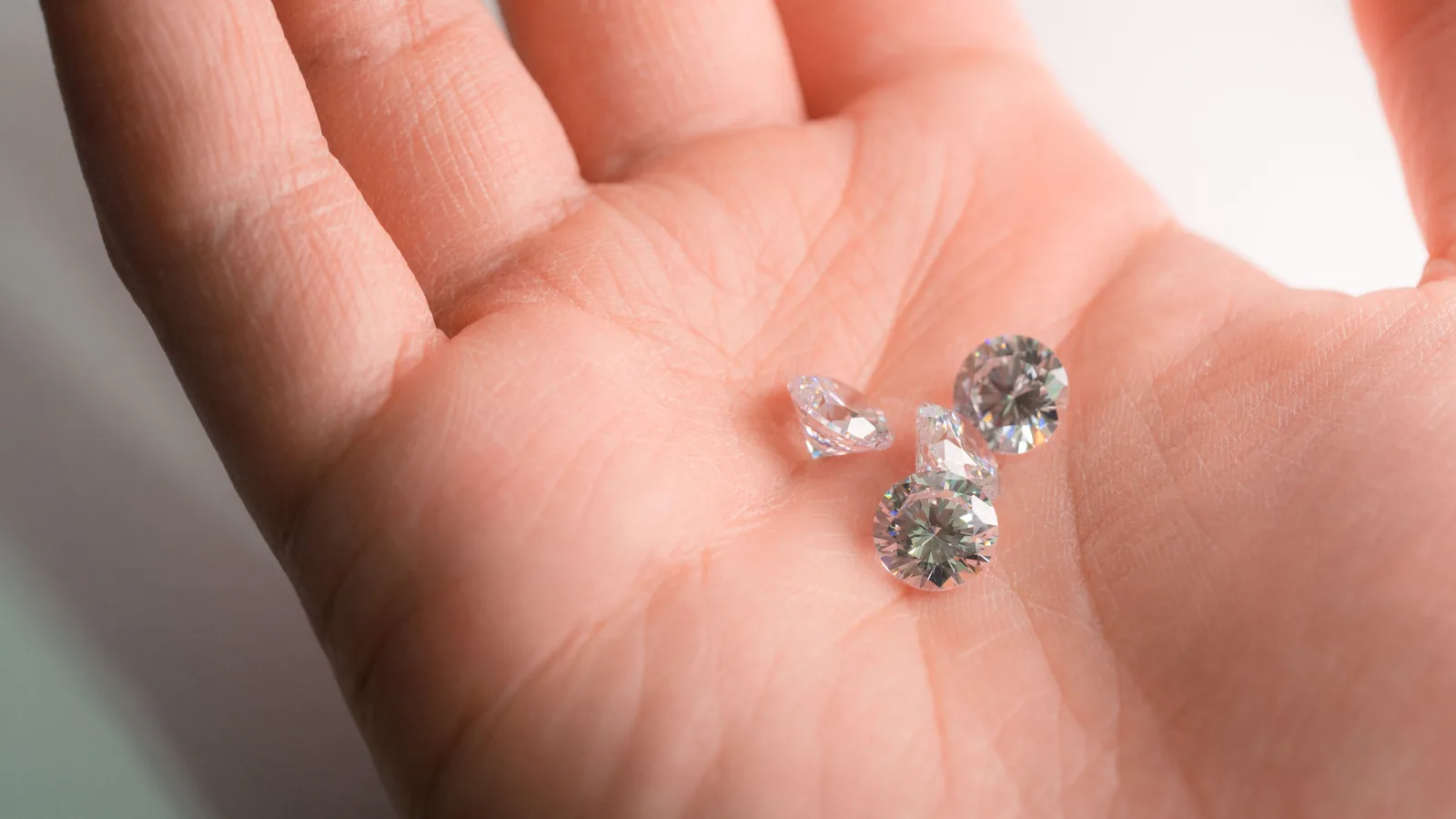
Are precious stones a good investment? While diamonds, rubies, emeralds and sapphires do not generate income like traditional financial assets, their rarity, tangibility and global demand continue to attract investors seeking portfolio diversification and long-term wealth preservation. This article explores how gemstones are valued, the role of scarcity and certification, the challenges of liquidity, and why high-quality natural stones remain a distinctive alternative asset in today's investment
Why Investors Still Consider Precious Stones
Among the alternative investments that have attracted the attention of private investors, family offices, and substantial portfolios in recent years, precious stones continue to occupy a peculiar position. Diamonds, rubies, emeralds, and sapphires do not generate coupons, do not distribute dividends, and are not traded on regulated markets, yet they still represent tangible wealth capable of preserving value over time. In an economic context characterized by inflation, geopolitical instability, and growing volatility in financial markets, interest in real assets and collectibles has remained strong, as wealthy investors continue to seek diversification beyond traditional financial assets. According to Knight Frank's Wealth Report 2026, collectibles and luxury assets remain an established component of many high-net-worth portfolios, driven by scarcity, tangibility and long-term wealth preservation considerations.
Natural gemstones are fully part of those assets that many investors consider tools for wealth diversification rather than mere objects of luxury. However, speaking of precious stones as an investment requires an approach quite different from that used for stocks, bonds, or mutual funds. This is indeed a market in which specialized knowledge assumes decisive importance, and where price is not determined by an official price list, but by the meeting of supply, demand, and the quality of the individual stone.
How Are Precious Stones Valued?
Unlike listed financial instruments, the value of a gemstone cannot be checked in real time on a trading platform. Each stone possesses unique characteristics that determine its price and make every transaction a negotiation unto itself. In the case of diamonds, the international system of the so-called "4Cs"—carat, color, clarity, and cut—still represents the main evaluation criterion today. For colored precious stones, additional elements come into play, such as color saturation, transparency, the presence of inclusions, geographical origin, and any treatments undergone during processing. It is not uncommon for a Colombian emerald, a ruby from Myanmar, or a Kashmir sapphire to reach valuations significantly higher than stones with apparently similar characteristics but extracted from other deposits. This is because, in the world of gemstones, origin often constitutes an element of value as much as the physical characteristics of the stone itself.
Why Rarity Drives Long-Term Value
The concept of rarity probably represents the main element that distinguishes the precious stone market from that of other goods. Supply is naturally limited, and the discovery of new deposits of exceptional quality is increasingly rare. Many of the historic deposits that have fed the market for decades are progressively exhausting their extraction capacity, and new productions rarely manage to replicate the qualitative characteristics of gemstones from the most celebrated mines. In economic terms, this means that supply cannot be rapidly increased to respond to a possible increase in demand, thus helping to sustain the value of the best specimens in the long term.
Do Precious Stones Increase in Value?
The major international auction houses confirm this dynamic. Each year colored diamonds, so-called "pigeon blood" rubies, Colombian emeralds, and sapphires of historic origin are auctioned for sums reaching tens of millions of euros. Of course, these are exceptional specimens, destined for a restricted elite of collectors and investors, but their success testifies to how the market continues to attribute high value to certified rarity. However, not all stones follow this path. The belief that any precious stone is destined to increase in value over time is one of the most widespread misconceptions. As in any other market, the precious stone market also clearly distinguishes between goods of ordinary quality and truly exceptional pieces.
Understanding Liquidity Risk
Another often-underestimated aspect concerns the liquidity of the investment. Buying a precious stone is generally easier than reselling it. There is no stock exchange where one can quickly liquidate one's assets. Sale requires identifying a buyer, a new evaluation of the precious stone, verification of documentation, and in most cases, negotiation over the final price. For this reason, industry operators suggest considering precious stones as a long-term investment, aimed more at preserving wealth than seeking speculative gains in the short term.
Why Certification Is Essential
Fundamental in this context is the role of gemological certification. Certificates released by major international laboratories attest to the objective characteristics of the stone, documenting its weight, color, clarity, cut, any treatments, and other technical information essential for determining its commercial value. A certified stone generally enjoys greater market credibility and is more easily tradable than one without documentation. Certification does not represent a guarantee of future returns, but constitutes an essential tool for reducing uncertainty in purchase and sale transactions.
Synthetic Diamonds, Traceability and Market Evolution
In recent years, the precious stone sector has also had to confront profound changes. The growing diffusion of synthetic diamonds has modified part of the market, imposing an increasingly clear distinction between natural gemstones and laboratory-created ones. While the latter represent an interesting alternative for the jewelry sector, on the other hand they have strengthened the perceived value of rarer natural stones, whose appeal continues to be linked to their geological origin and limited availability. At the same time, investors and consumers show growing attention to the traceability of gemstones, the sustainability of extraction activities, and respect for ethical criteria throughout the supply chain. Today, knowing the origin of a stone and the manner in which it was extracted constitutes an increasingly relevant element in the overall assessment of the investment.
How Precious Stones Fit Into a Diversified Portfolio
From the perspective of wealth management, precious stones cannot replace traditional financial instruments, but can represent a complementary component within a diversified portfolio. Their performance follows dynamics different from stock and bond markets and is mainly affected by international demand, the evolution of the luxury market, and the availability of high-quality specimens. This is, therefore, an investment primarily intended for those who have significant wealth and can afford to immobilize part of their capital for an extended period without immediate liquidity needs.
Investment Stones vs. Jewelry
It is also necessary to clearly distinguish between a precious stone intended for investment and a jewel purchased for aesthetic purposes. The price of a piece of jewelry indeed includes the value of craftsmanship, design, brand, and commercial distribution—components that are often not recovered at the time of resale. More experienced investors therefore tend to favor certified loose stones or historical and vintage jewelry, whose collectible value represents an additional element beyond that of the gemstone itself.
Are Precious Stones a Good Long-Term Investment?
In light of these considerations, precious stones continue to have a place within the landscape of alternative assets, but do not represent an investment suitable for everyone. They require specific expertise, careful selection, the support of qualified professionals, and above all, a long-term perspective. Rather than promising high returns in short timeframes, they offer the possibility of holding a rare, tangible asset universally recognized, whose value does not depend on daily stock market fluctuations, but on scarcity, quality, and the trust that the market continues to place in natural gemstones. In an era when most wealth is represented by intangible and digital instruments, the appeal of a physical asset, unique and irreplaceable, maintains particular force today. It is probably this reason why, despite the profound transformations of the global economy, precious stones continue to be considered by many investors not merely a symbol of luxury, but also a form of wealth capable of transcending time.